FiW presents research on natural flocculants and AI at international conference in Japan
International exchange on innovative water and wastewater treatment technologies


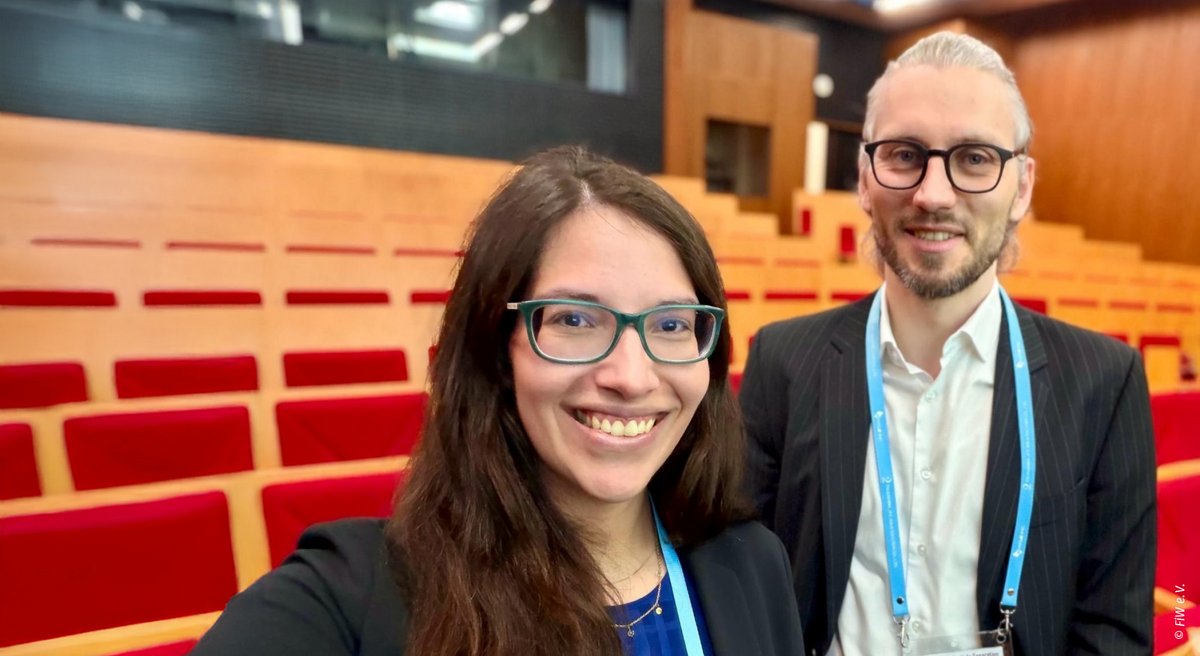
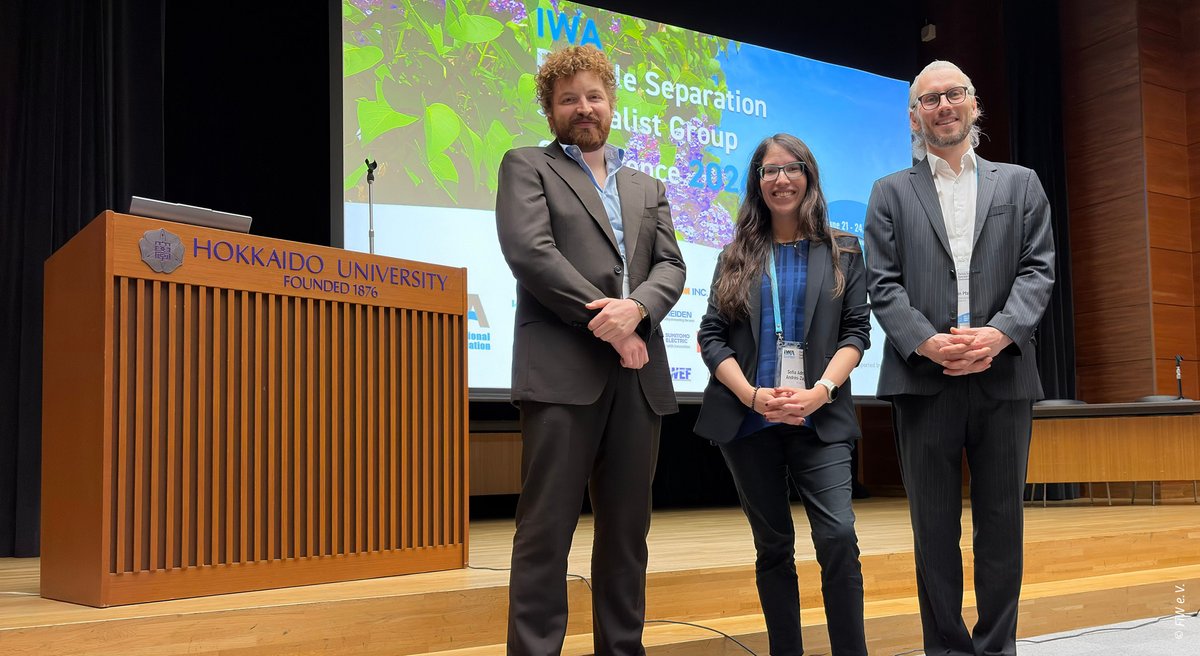
The Research Institute for Water Management and Climate Future at RWTH Aachen University (FiW) participated in the international conference “IWA Particle Separation Specialist Group Conference 2026” (IWAPS 2026), which took place from 21–24 June 2026 in Sapporo on the Japanese island of Hokkaido.
During the conference, Sofía Andrés-Zapata presented current research findings together with Martin Pfaff (GFaI e.V.) on the optimisation of flocculation processes using natural flocculants, dual flocculation, and artificial intelligence. The conference provided a valuable platform for scientific exchange with experts from research and practice and opened new perspectives for the further development of sustainable water and wastewater treatment technologies.
IWAPS 2026 brought together international experts to discuss recent developments in particle separation and water treatment. In the presentation “Optimisation of the Separation Process in Gravel Wash Water Treatment Using Natural Flocculants, Dual Flocculation and Artificial Intelligence”, Sofía Andrés-Zapata and Martin Pfaff presented research results on the treatment of gravel wash water. The focus was on innovative approaches to improve separation efficiency through the use of alternative flocculants and data-driven optimisation methods.
In addition to the scientific programme, the conference offered numerous opportunities for professional exchange and networking with international partners. Discussions with researchers and practitioners from various countries provided valuable impulses for FiW’s future research activities.
Special thanks go to the organisers of IWAPS 2026, the International Water Association (IWA), and Hokkaido University for the excellent organisation and the opportunity to present FiW’s research results to an international expert audience. We would especially like to thank Prof. Katsuki Kimura and Mr. Sato for their hospitality.
The conference also provided an opportunity to bring together the project teams of the NatureFloc and ClearWater research projects in person. Both projects are funded within the framework of the Industrial Collective Research (IGF) programme and investigate the application of alternative flocculants. The direct exchange enabled the teams to share experiences, identify common challenges, and discuss potential starting points for future collaborative research.
The ClearWater research project investigates innovative approaches for optimising flocculation processes through the use of alternative flocculants and intelligent process control. The aim is to develop resource-efficient and sustainable solutions for the water and wastewater sector.
The project is funded within the Industrial Collective Research (IGF) programme by the Federal Ministry for Economic Affairs and Energy (BMWE) (funding code 01IF23192N).
Further information about the project is available at:
www.fiw.rwth-aachen.de/referenzen/clearwater
Contact
Sofia Andrés-Zapata, M.Sc.
+49 241 80 2 68 41
/ E-Mail